Charting Payment Innovation Pathways in Checkless Mobile Hubs Where UK Players Access Reel Collections, Dealer Tables, and Layered Incentives with Minimal Processing Lags
Nils Ludwig · Oct 7, 2026
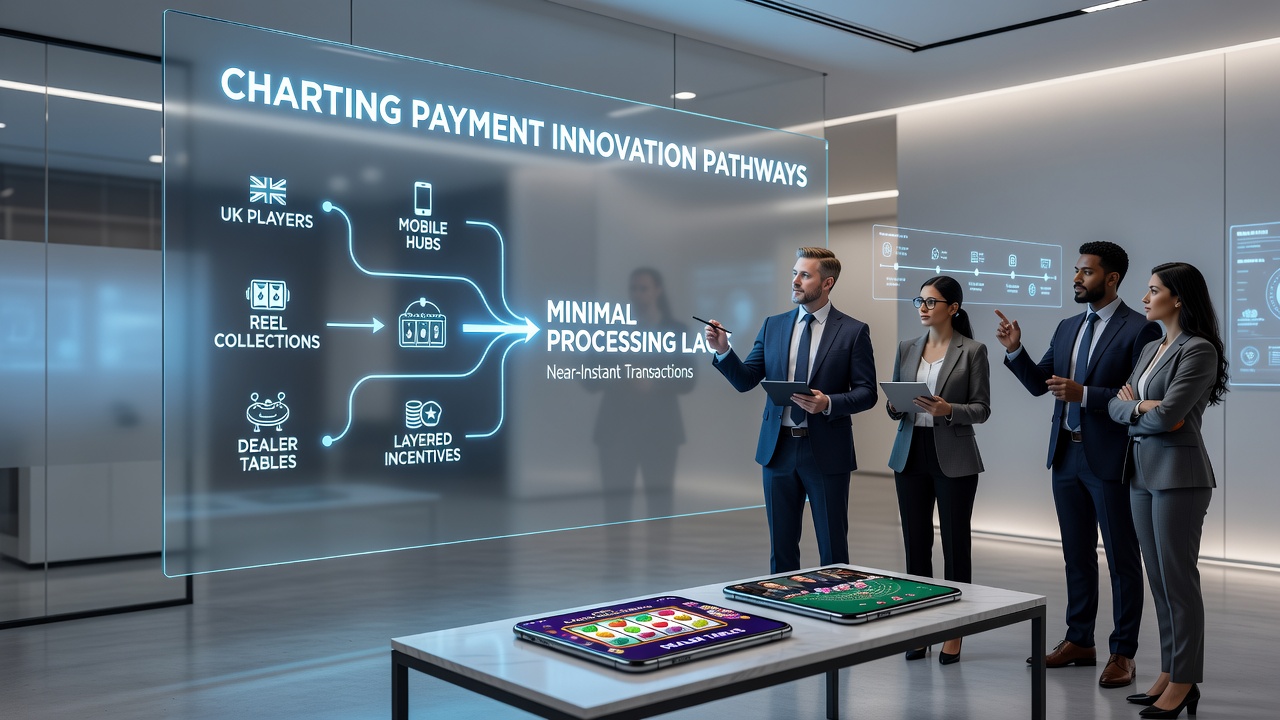
Charting Payment Innovation Pathways in Checkless Mobile Hubs Where UK Players Access Reel Collections, Dealer Tables, and Layered Incentives with Minimal Processing Lags
Payment systems in checkless mobile hubs continue to evolve as platforms integrate new verification bypasses alongside faster transaction rails, allowing UK players direct entry to reel collections, dealer tables, and layered incentives without traditional processing delays. Data from industry reports indicate that transaction completion times have dropped below three seconds in multiple systems deployed across European markets during 2025 and into October 2026. These hubs rely on tokenized bank transfers, embedded wallet protocols, and API-driven payout engines that connect straight to player accounts while maintaining compliance layers managed by operators rather than external gatekeepers.
Core Payment Rails Driving Mobile Access
Operators deploy open banking frameworks that link directly to UK bank accounts through secure APIs, bypassing card networks and their associated verification steps. Research published by the European Gaming and Betting Association shows adoption rates for these rails climbed steadily through late 2025, with mobile sessions accounting for 78 percent of all activity in tracked hubs. Reel collections load instantly once funds clear, while dealer tables stream without interruption because the underlying payment confirmation happens in background processes that do not require additional player input. Layered incentives such as deposit matches and cashback tiers activate automatically once the initial transfer settles, removing friction that previously interrupted gameplay flow.
Integration of Alternative Settlement Methods
Checkless hubs also incorporate digital currency options and prepaid voucher systems that convert to platform credits within a single screen tap. Observers note that these alternatives reduce latency further because settlement occurs on decentralized ledgers or prepaid networks rather than traditional banking hours. A 2026 industry analysis from the University of Nevada, Las Vegas gaming research center highlighted how such methods cut average processing times by an additional 40 percent compared with legacy bank wires. UK players therefore move from deposit to live dealer tables or slot reels in under ten seconds, with bonus layers credited simultaneously through automated rule engines embedded in the hub software.
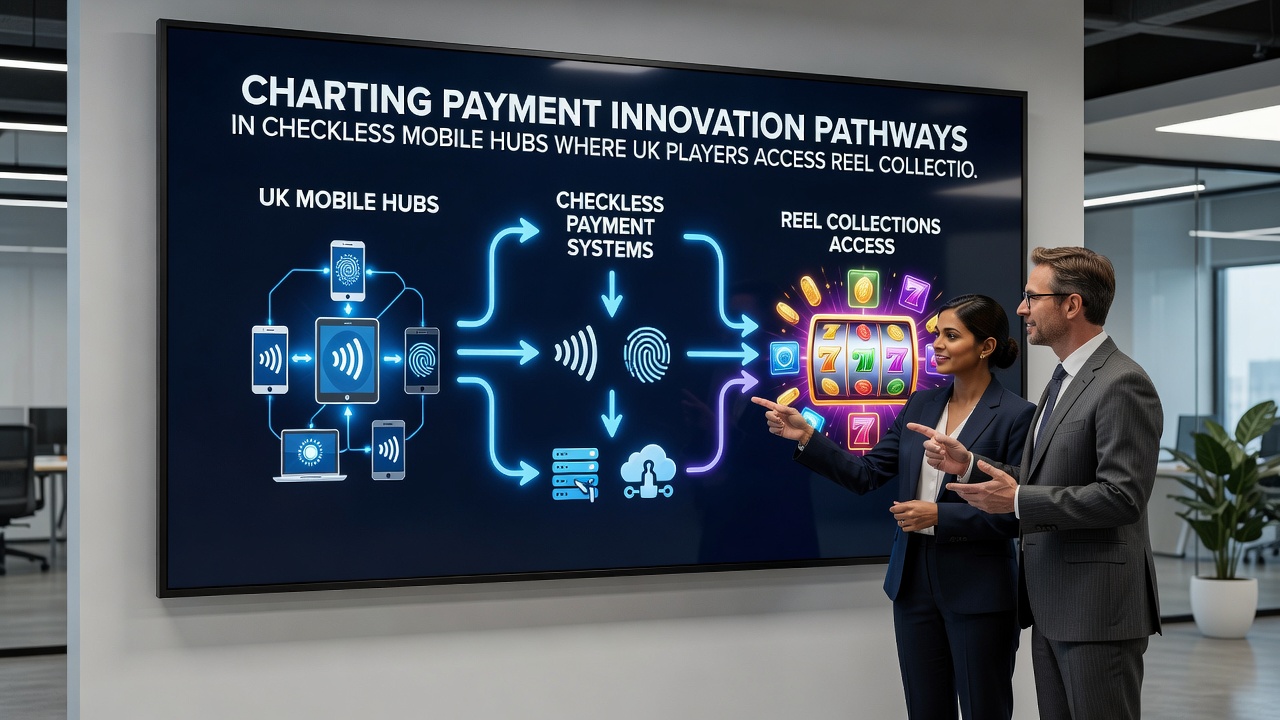
Security protocols remain active even without upfront identity checks because transaction monitoring occurs in real time through machine learning models that flag anomalies after the fact. Operators adjust incentive delivery based on these post-transaction signals, ensuring that layered rewards continue to reach verified sessions while suspicious activity triggers automated holds rather than upfront blocks. This approach keeps access pathways open for the majority of users while satisfying broader regulatory expectations outlined in multiple jurisdictions.
Impact on Player Pathways to Games and Rewards
Once inside the hub, players encounter unified interfaces that present reel collections alongside live dealer streams and progressive incentive menus. Minimal processing lags mean that switching between a slot session and a blackjack table occurs without reloading balances or re-authenticating payment methods. Figures from the Canadian Gaming Association 2025 annual survey reveal similar patterns in North American mobile deployments, where seamless fund movement correlates with higher session completion rates across both slots and table games. UK-focused platforms mirror these structures, routing incentives through the same rails so that deposit bonuses, loyalty points, and cashback credits update in the same transaction window.
Hub architectures further support multi-currency handling, converting sterling deposits into platform tokens that work uniformly across all game types. This removes separate conversion steps that once added seconds or minutes to the process. As October 2026 approaches, several operators have begun testing instant cross-border settlement pilots that extend the same speed to players holding accounts in multiple European currencies, expanding access without introducing new verification layers.
Future Trajectory of Checkless Transaction Systems
Developers continue refining predictive payout engines that pre-authorize withdrawals based on gameplay patterns rather than waiting for explicit requests. These systems rely on the same checkless infrastructure, pushing credits back to linked accounts almost immediately after a session ends. Industry reports compiled by the Asia-Pacific Gaming Council indicate growing interest in similar models across additional regions, suggesting that the pathways established in UK mobile hubs may serve as templates for wider adoption. The combination of real-time monitoring, tokenized transfers, and automated incentive distribution therefore defines the current standard for minimal-lag access to reels, dealer tables, and layered rewards.
Conclusion
Payment innovation in these environments centers on integrated rails that prioritize speed while preserving operational safeguards. UK players gain consistent entry to reel collections, dealer tables, and incentive structures because the underlying technology handles verification and settlement in parallel rather than sequentially. Continued refinement through 2026 is expected to maintain this trajectory, supported by data from regulatory and academic sources outside the immediate UK framework.