Integrating Phone Payment Innovations with Live Gaming Experiences on Platforms Featuring Minimal Verification Requirements
Leon Lang · Jul 15, 2026
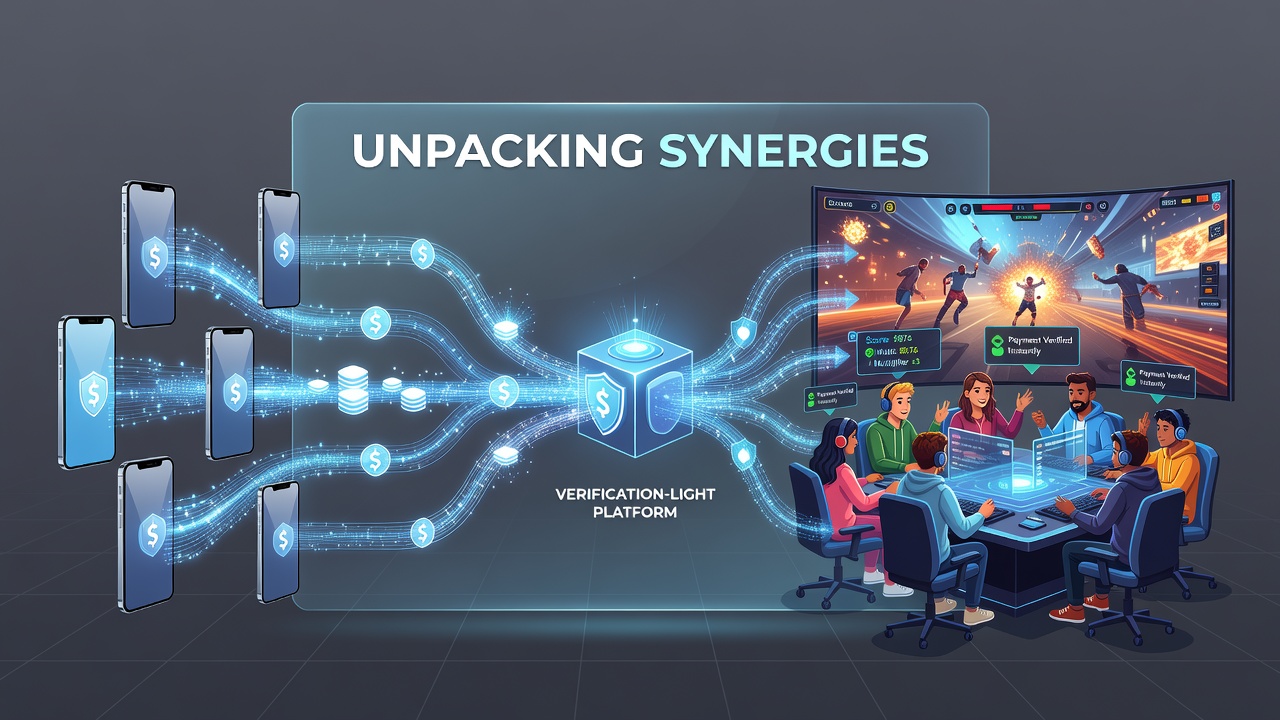
Integrating Phone Payment Innovations with Live Gaming Experiences on Platforms Featuring Minimal Verification Requirements
Phone payment technologies have expanded rapidly across digital entertainment sectors, creating direct connections with live gaming formats that operate on platforms with reduced identity verification steps. These systems allow users to complete deposits through carrier billing or mobile wallet options, which streamlines funding for real-time dealer interactions and slot sessions. Data from industry analyses show that transaction completion times drop when phone-based methods replace traditional card entries, particularly in environments where account setup avoids extensive documentation reviews.
Phone Payment Technology Developments
Carrier billing services such as those offered by major telecom providers enable direct charges to mobile accounts, bypassing separate financial institutions during initial transfers. This approach gained traction in multiple regions after 2023, with adoption rates climbing as operators integrated APIs for instant processing. Observers note that platforms with lighter verification protocols pair these methods with live formats because users reach active tables or reels without prolonged onboarding delays.
Wallet integrations on smartphones further support this shift, letting participants authorize payments via biometric confirmation rather than manual entry. Reports from the American Gaming Association highlight how these tools align with mobile-first designs in gaming environments where quick access matters most. In July 2026, usage metrics indicated continued growth in regions outside traditional regulatory frameworks, showing higher engagement during peak evening hours when live dealer sessions run continuously.
Live Gaming Format Characteristics
Live dealer offerings combine streamed video feeds with interactive betting interfaces, covering games like roulette, blackjack, and baccarat that require real-time decisions. These formats demand reliable funding channels because rounds progress at set intervals, leaving little room for payment interruptions. Verification-light platforms host many of these sessions because reduced checks allow faster account activation, which matches the pace of ongoing tables.
Slot variants with live elements, such as community bonus rounds triggered by multiple players, also benefit from seamless deposits. Research from academic studies at institutions like the University of Nevada, Las Vegas, documents how payment speed influences session length and participation frequency in these hybrid experiences. Players maintain engagement when funds transfer without additional approval layers, sustaining momentum across consecutive rounds.
Combined Operational Benefits in Streamlined Environments
Synergies emerge when phone payments feed directly into live interfaces on platforms that limit identity requirements. Deposits via mobile carriers appear in player balances within seconds, enabling immediate bets at dealer tables without separate confirmation steps. This integration reduces friction points that often interrupt gaming flow in more regulated settings.
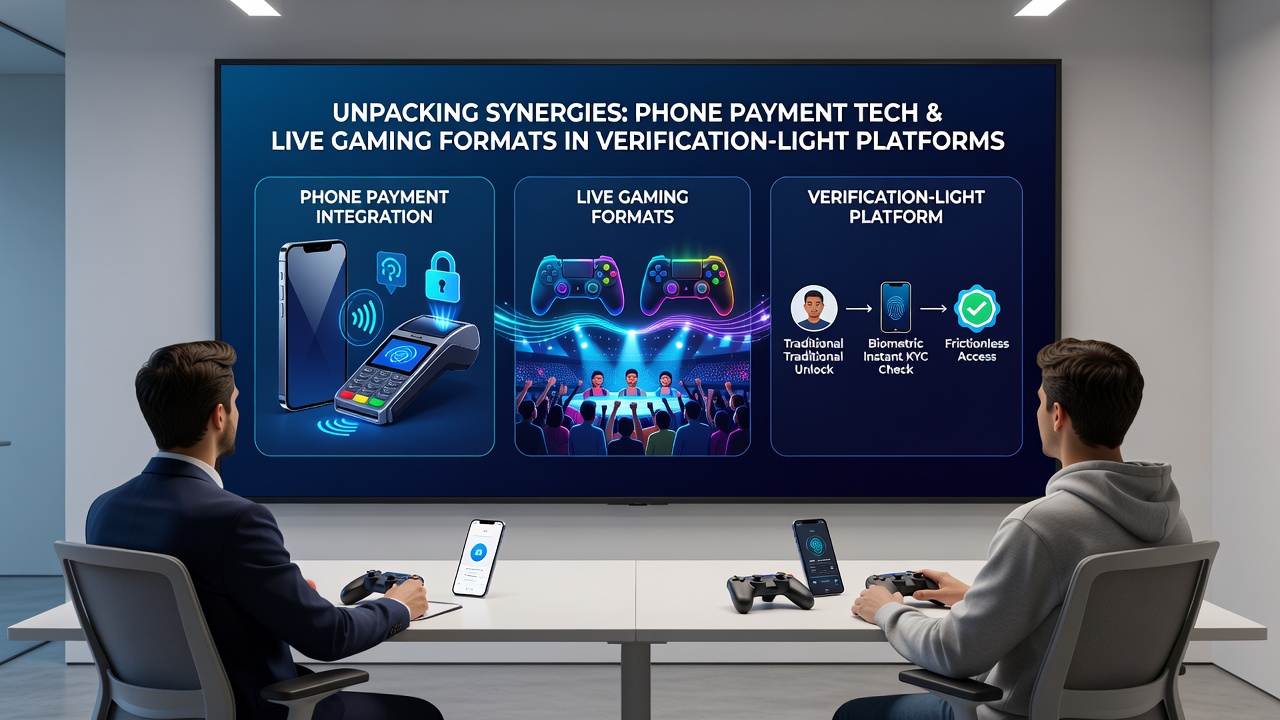
Platform operators report that such pairings increase average session durations because users avoid switching between banking apps and gaming screens. Figures from the Australian Communications and Media Authority reveal rising transaction volumes in comparable markets where verification processes stay minimal, linking higher activity levels to combined mobile payment and live format availability. Those who monitor these trends point out that security protocols still apply through device-level authentication, maintaining basic protections even as entry barriers lower.
Technical Integration Patterns
API connections between payment providers and gaming servers allow balance updates to reflect instantly across live feeds. Developers design these links to handle high-frequency requests during peak table activity, ensuring no lag between authorization and bet placement. Verification-light platforms capitalize on this by routing new accounts straight to funded sessions once a phone payment succeeds.
Multi-device compatibility extends the reach further, as users transition from desktop streams to mobile apps while retaining active balances. Industry reports document fewer drop-offs in live dealer participation when phone billing serves as the primary method, since it aligns with common smartphone usage habits. Data indicates stable performance across different network conditions, supporting consistent play regardless of location.
Market Data and Regional Variations
Participation statistics show elevated activity in areas where phone payment options coexist with reduced verification standards. European markets outside strict national oversight have recorded increased live gaming volumes tied to carrier billing expansions. Canadian provincial analyses similarly track correlations between mobile transaction ease and extended dealer session times.
These patterns hold across slot formats with live multipliers as well, where instant top-ups sustain player involvement through bonus sequences. Observers tracking global trends note that the combination supports broader accessibility for participants who prefer quick entry over detailed account setups. Continued monitoring through 2026 suggests sustained alignment between these elements as technology updates proceed.
Conclusion
Phone payment technologies and live gaming formats demonstrate measurable operational connections within verification-light platforms through faster transaction paths and mobile-optimized interfaces. Regional data sources confirm elevated engagement metrics when these components operate together, while technical integrations maintain functional reliability across sessions. The documented patterns establish clear functional relationships that shape current platform designs in multiple jurisdictions.