Mobile Carrier Billing Facilitates Extended Gaming Sessions Across Multiple Game Types in Minimal Identification Platforms
Logan Keller · Jul 29, 2026
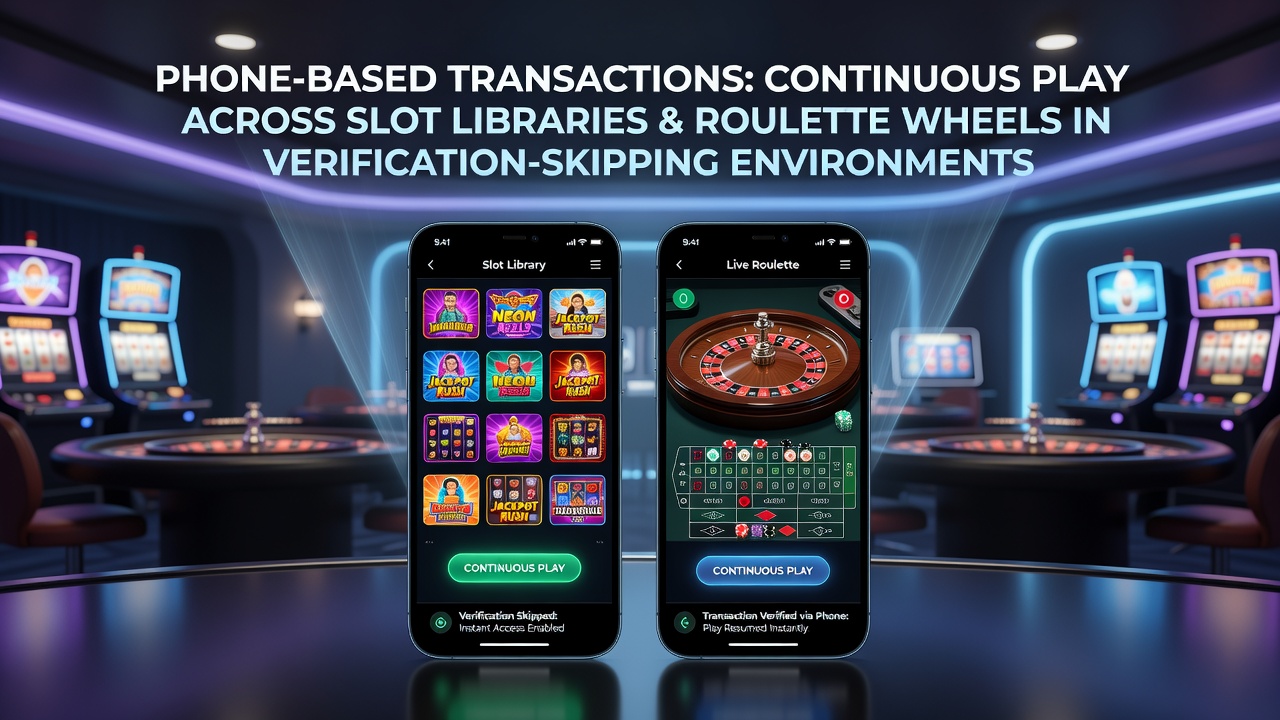
Mobile Carrier Billing Facilitates Extended Gaming Sessions Across Multiple Game Types in Minimal Identification Platforms
Phone-based transactions rely on direct carrier billing systems that charge deposits straight to mobile accounts, allowing users to fund accounts without providing traditional banking details or undergoing standard identity verification steps in certain platforms. These systems connect mobile operators with gaming operators through established payment gateways, and data from industry reports indicate that such methods support uninterrupted movement between slot libraries and roulette wheels by eliminating repeated login or approval processes during active sessions. Observers note that in environments where verification requirements remain minimal, players complete initial setup with a phone number alone, then proceed to game selections while transaction limits adjust automatically based on carrier agreements.
Technical Integration with Slot and Roulette Systems
Developers embed carrier billing APIs into game interfaces so that a single tap triggers both deposit and game launch, and this setup enables continuous play because session data persists across different titles without additional prompts. Research from academic sources on digital payments shows that integration layers handle real-time balance updates, which means a player finishing one set of reels can shift directly to a roulette table while the same funded balance applies. Those who've examined platform architectures find that backend servers track usage through phone identifiers rather than personal documents, and this approach reduces interruptions that typically arise in fully verified accounts. In July 2026 figures released by mobile analytics firms revealed growth in transaction volumes for gaming categories that rely on these methods, with average session lengths extending when users avoid repeated authorization cycles.
Cross-Game Continuity in Reduced-Check Settings
Platforms configured for verification skipping allow phone billing to serve as the primary funding mechanism, which connects slot progressions to roulette outcomes through shared wallet functions that update instantly across the library. Experts have observed that players move between themed reel games and wheel-based tables because the billing system maintains a running total without forcing logouts or fresh approvals, and industry organizations tracking payment trends report that this flow supports extended engagement periods. Data indicates that operators using these tools see higher retention rates when games share the same billing session, whereas separate verification stages in other environments often fragment play. What's interesting is how carrier partnerships handle micro-transactions that keep balances topped up during live rounds, and this reduces friction that might otherwise halt momentum between a bonus round on slots and an active roulette spin sequence.
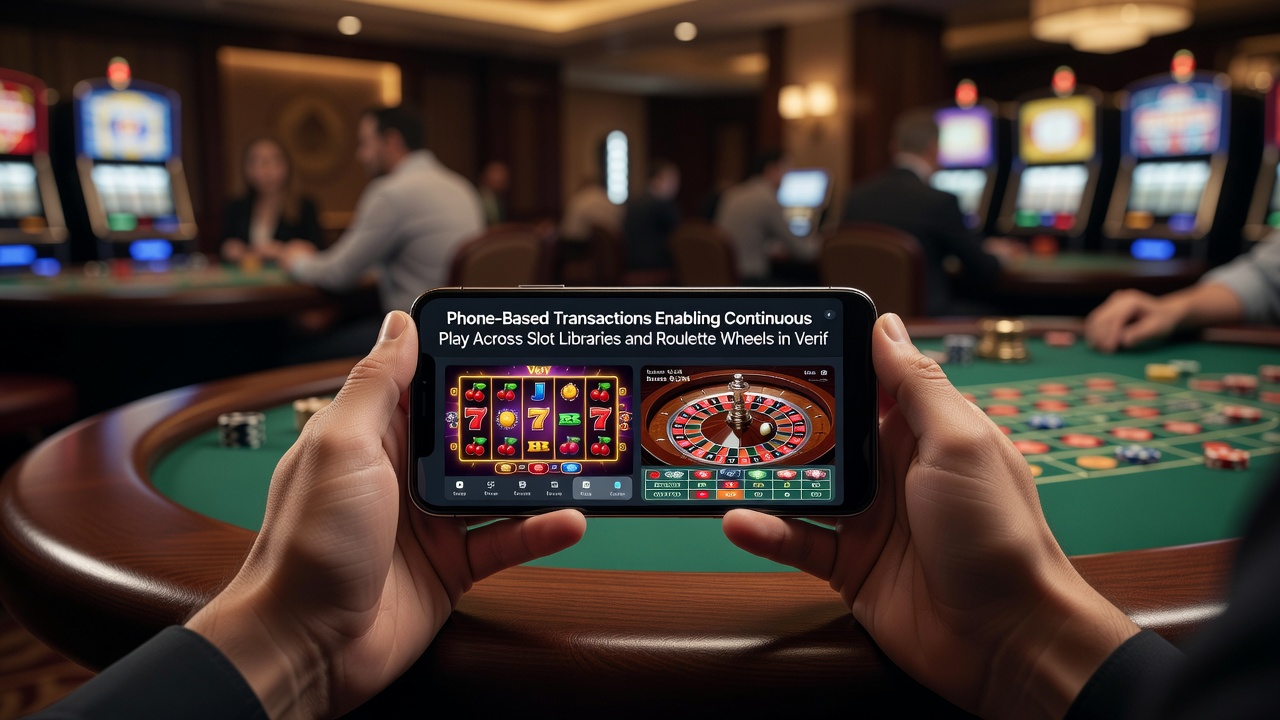
Payment Flow Examples Across Game Categories
Take one documented case where a user initiates a deposit via carrier billing on a mobile device, selects from hundreds of slot titles, and then enters a roulette lobby while the same transaction remains active; according to payment processor documentation, the process completes in seconds because no secondary checks intervene. Researchers discovered that such sequences appear frequently in platforms built around minimal identification protocols, and the same phone credential governs both game types to maintain continuity. Figures reveal that average deposit sizes through these channels range from small increments that support quick top-ups, enabling players to adjust stakes mid-session without pausing for external approvals. Those who've studied user patterns note that roulette wheels benefit from the same instant funding as slot libraries because the billing backend treats all titles under a unified account layer rather than isolated verifications.
Market Data and Operational Trends
Reports compiled by international gaming associations highlight steady adoption of phone billing in regions outside strict verification mandates, with transaction success rates exceeding traditional methods in low-friction setups. A university-led study on digital finance in entertainment sectors found that carrier-integrated platforms recorded measurable increases in cross-title play during 2026, particularly when users accessed diverse libraries without repeated identity steps. Observers note that these trends align with broader mobile payment expansions, where operators partner with carriers to streamline access while monitoring spending caps set at the network level. Yet the reality remains that operational efficiency depends on the stability of billing APIs, which handle everything from initial authorization to final settlement across slot and table game environments.
Conclusion
Phone-based transaction models continue to shape how platforms manage access to varied game selections in settings that minimize verification layers, and evidence from multiple sources points to sustained use for maintaining session flow between slots and roulette. Industry data collected through mid-2026 underscores the role of carrier partnerships in supporting these mechanics, while technical reports emphasize the backend connections that keep balances consistent across titles. Those monitoring payment innovations see ongoing refinement in these systems as operators adapt to user expectations for seamless movement within game libraries.