Phone Billing Twists Fueling Uninterrupted Table Game Flows and Reel Progressions in Emerging ID-Free Hubs
Noah Russell · Jun 5, 2026
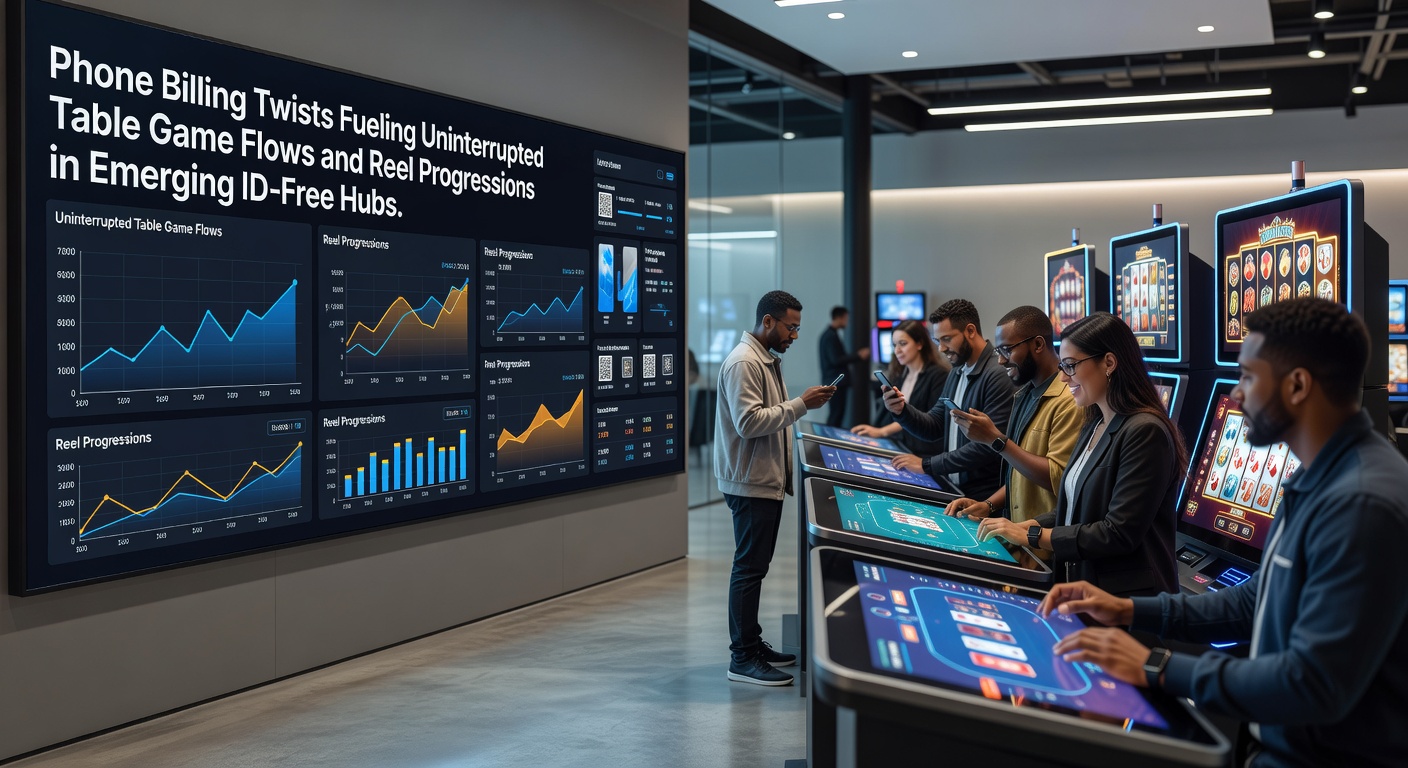
Phone Billing Twists Fueling Uninterrupted Table Game Flows and Reel Progressions in Emerging ID-Free Hubs
Phone billing mechanisms have evolved into key enablers for sustained engagement across digital gaming environments that operate without traditional identity verification layers, and these systems connect directly to mobile carrier accounts to process transactions in real time while players move between table games and slot sequences without pausing for external approvals. Observers note that direct carrier billing options integrate at the payment stage to authorize small incremental charges that accumulate across sessions, which keeps reel spins and dealer interactions flowing as balances adjust automatically through existing phone plans.
Mechanics of Carrier-Based Transaction Flows
Carriers handle verification through account-linked phone numbers rather than separate document uploads, and this approach routes payments via established mobile networks that already confirm user details at signup for service plans. Data from industry reports shows that such billing twists reduce entry barriers in emerging platforms, allowing participants to initiate wagers on roulette wheels or blackjack tables and continue through multiple progressions because charges apply against monthly statements instead of requiring separate wallet top-ups or bank redirects. Researchers at academic institutions have documented how these integrations maintain session continuity by syncing transaction confirmations within seconds, which supports uninterrupted sequences in both live dealer environments and automated reel systems.
What's interesting is the way billing cycles align with gameplay rhythms, since carriers process micro-transactions in batches that prevent abrupt halts when balances dip during extended table game rounds or bonus feature activations on slots. Figures from European Gaming and Betting Association analyses indicate rising adoption rates of these methods in regions where platforms minimize identity checks, and the result appears in sustained activity levels where players shift between game types without re-entering payment details.
Impact on Table Game Continuity and Reel Advancements
Table game flows benefit when phone billing handles repeated bet placements without triggering additional verification prompts, which lets sequences on wheels and card tables proceed at natural paces while reel progressions in slot titles advance through paylines and multipliers in parallel sessions. Studies found that platforms incorporating these billing options report higher completion rates for multi-round engagements because transaction latency drops compared to traditional card or e-wallet routes that sometimes insert pauses. And those who've tracked usage patterns observe that reel advancements maintain momentum as carrier charges accumulate invisibly in the background, freeing attention for strategic decisions during live interactions or automated spin cycles.
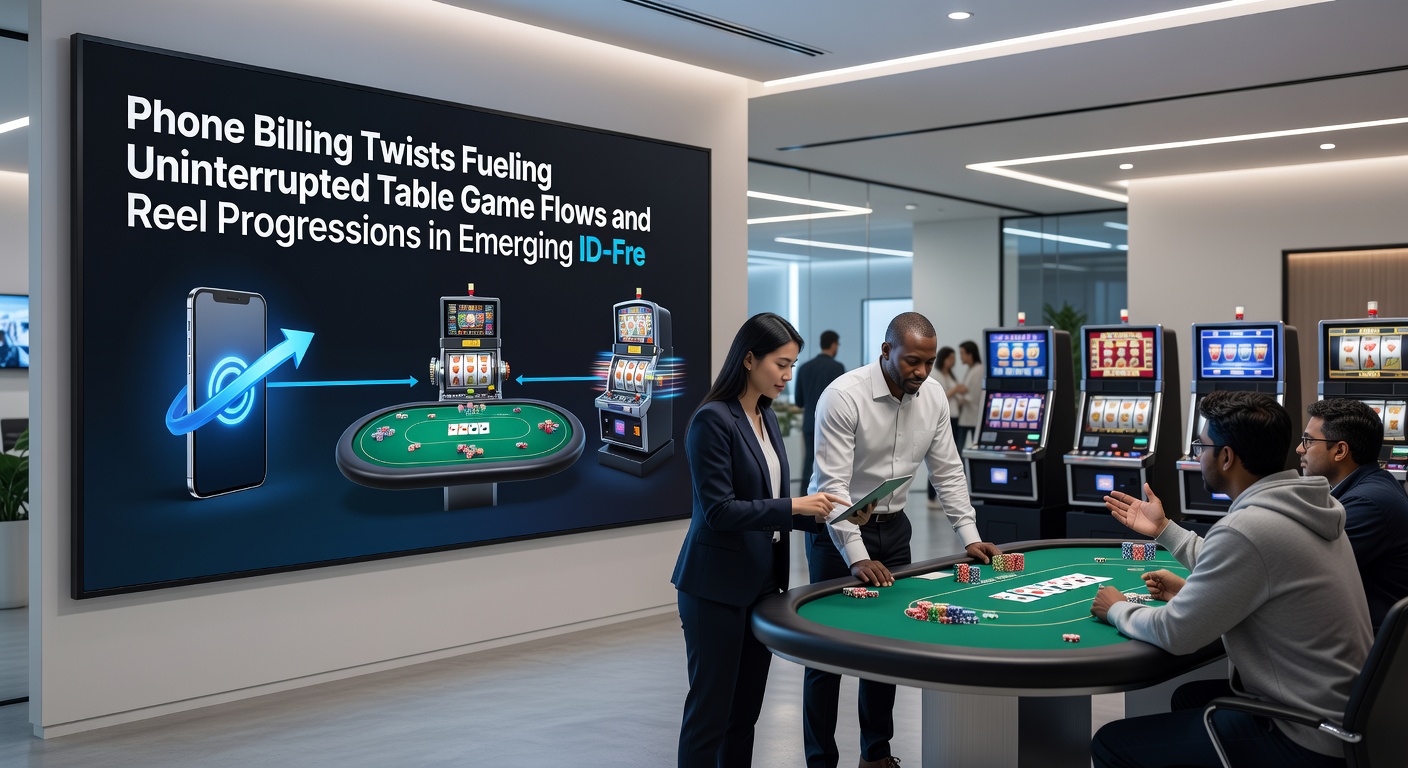
Take one case where experts examined session data across multiple hubs and discovered that average play duration extended notably once carrier billing replaced other methods, since interruptions tied to payment confirmations decreased. This holds especially in environments where ID-free access already streamlines entry, allowing focus to stay on game mechanics rather than account management steps. The reality is that billing twists like these create pathways for combined experiences, where a player might finish a blackjack hand and immediately enter a slot bonus round with the same carrier-linked balance carrying forward.
Developments in Emerging Hubs as of June 2026
As of June 2026 emerging ID-free hubs continue to refine phone billing partnerships with carriers across various markets, which expands options for users who prefer minimal onboarding while engaging in diverse game libraries. Reports from research institutions highlight that these platforms now support broader ranges of table variants and slot titles through billing systems that adapt to different regional network standards, and participation metrics reflect steady increases in cross-game transitions. Observers note that June 2026 updates in carrier agreements have further smoothed charge processing for international users, which supports global access to uninterrupted flows without regional payment mismatches.
Yet integration challenges persist in some areas where carrier policies vary, and platforms respond by offering hybrid billing choices that blend phone options with other low-friction methods to maintain progression across sessions. Data indicates that hubs adopting these combined approaches see consistent reel and table activity levels because users encounter fewer points where transactions might otherwise stall.
Conclusion
Phone billing adaptations have become central to operational models in verification-light gaming spaces, where they sustain momentum through table game rounds and slot reel cycles by linking charges to mobile accounts that handle confirmations efficiently. Evidence from multiple sources shows these mechanisms contribute to longer engagement windows in emerging hubs, and ongoing refinements as of June 2026 point toward further alignment between billing infrastructure and diverse game formats. Those monitoring the sector continue to track how carrier integrations influence activity patterns across regions and platforms.