Player Shifts Toward Mobile-First Gaming Hubs Featuring Wide Game Ranges and Quick Reward Processing
Nils Ludwig · May 29, 2026
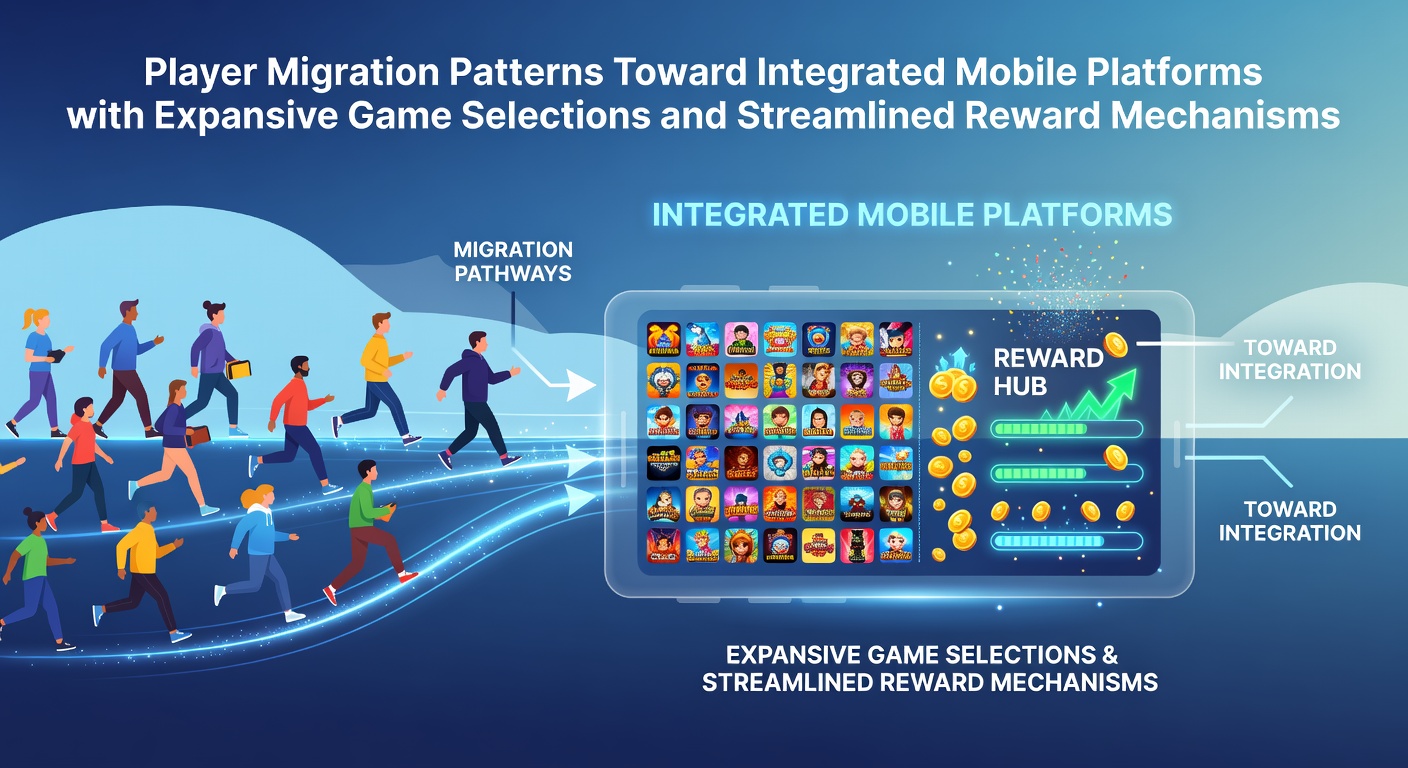
Player Shifts Toward Mobile-First Gaming Hubs Featuring Wide Game Ranges and Quick Reward Processing
Market data from multiple regions reveals steady movement of players toward mobile platforms that combine large libraries of games with simplified reward systems, and this pattern has accelerated as device technology improves and connectivity expands globally.
Analysts tracking user behavior across North America and Europe point to several factors driving these migrations, including the convenience of accessing extensive slot catalogs, table games, and live dealer options through single applications rather than fragmented sites, while reward mechanisms such as instant loyalty points and streamlined bonus activations reduce friction in daily play sessions.
Key Drivers Behind the Migration
Research from the American Gaming Association shows that mobile gaming accounts for over 60 percent of total online gambling activity in regulated markets, with integrated platforms capturing larger shares because they offer unified accounts that track progress across hundreds of titles and deliver rewards without requiring repeated logins or verifications.
Those who've studied user retention patterns note that platforms emphasizing expansive selections often include thousands of slots alongside evolving live dealer formats, and this breadth keeps engagement high as players explore new releases without switching applications; meanwhile streamlined reward mechanisms like automatic cashback deposits and tiered loyalty ladders encourage continued activity by making benefits feel immediate and transparent.
Regional Patterns and Data Trends
In Australia, figures released by industry bodies indicate similar shifts, where mobile users increasingly favor ecosystems that merge game variety with rapid reward processing, leading to higher session lengths compared to traditional desktop-only environments, and these trends align with broader connectivity improvements in rural areas that previously limited mobile access.
Canadian provincial reports further highlight how regulatory frameworks allowing cross-device play have boosted migration rates, with operators reporting that players who adopt integrated mobile solutions tend to explore more game categories over time because the interface supports seamless transitions between slots, crash games, and live tables without losing progress or accumulated rewards.
What's notable is the timing around May 2026, when several jurisdictions plan updates to affordability assessment rules that could influence how platforms design their reward flows, potentially accelerating the move toward systems that emphasize transparency and speed to maintain compliance while retaining users.
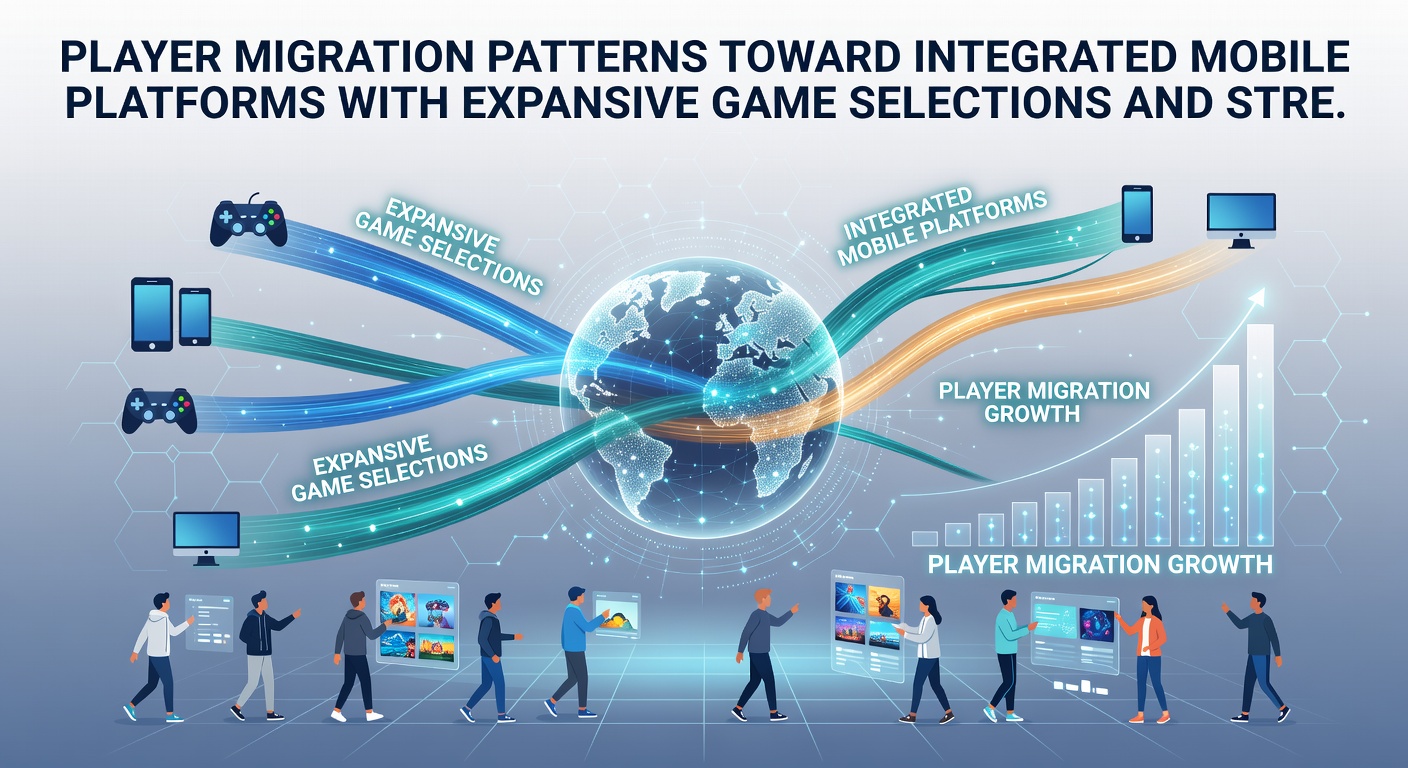
Impact on Game Selection and Rewards
Observers tracking platform development note that expansive game selections now routinely exceed 5,000 titles on leading mobile hubs, incorporating branded slots, progressive jackpots, and interactive live dealer arenas that sync across devices, and this variety pairs with reward structures that process payouts in under an hour for verified accounts in many cases.
Studies from European research institutions reveal that players who migrate to these integrated environments show increased interaction with loyalty programs because the mechanisms deliver points instantly after each session, allowing quick redemption for free spins or deposit matches without lengthy approval waits, and this efficiency contrasts with older models that required manual claims across multiple sites.
Future Outlook and Industry Adjustments
Industry associations in Asia-Pacific regions report parallel movements, where mobile-first platforms with broad catalogs and automated rewards attract users seeking efficiency, and operators respond by expanding partnerships with game developers to refresh selections weekly while refining backend systems for faster reward distribution.
Those monitoring adoption rates emphasize that connectivity advancements and device capabilities continue to support this pattern, enabling richer graphics and real-time multiplayer features that keep players within single ecosystems rather than fragmenting attention across separate applications.
Conclusion
Overall patterns indicate sustained growth in mobile platform usage as operators prioritize expansive game libraries alongside reward systems designed for minimal delays, with data from diverse global sources confirming these shifts through consistent metrics on session duration and retention across varied regulatory landscapes.