SMF Calls for Machine Games Duty Increase on High-Street Casinos and Adult Gaming Centres
Nils Ludwig · Jul 3, 2026

SMF Calls for Machine Games Duty Increase on High-Street Casinos and Adult Gaming Centres
The Social Market Foundation has put forward a plan that would raise Machine Games Duty from 20 percent to 40 percent for high-street adult gaming centres and casinos across the UK, and the proposal has already drawn attention from policymakers and industry observers alike. Current revenue from the existing rate sits at roughly £600 million each year, while the suggested change could add between £275 million and £458 million more according to the thinktank's own modelling released in late June 2026.
Details of the Proposed Tax Adjustment
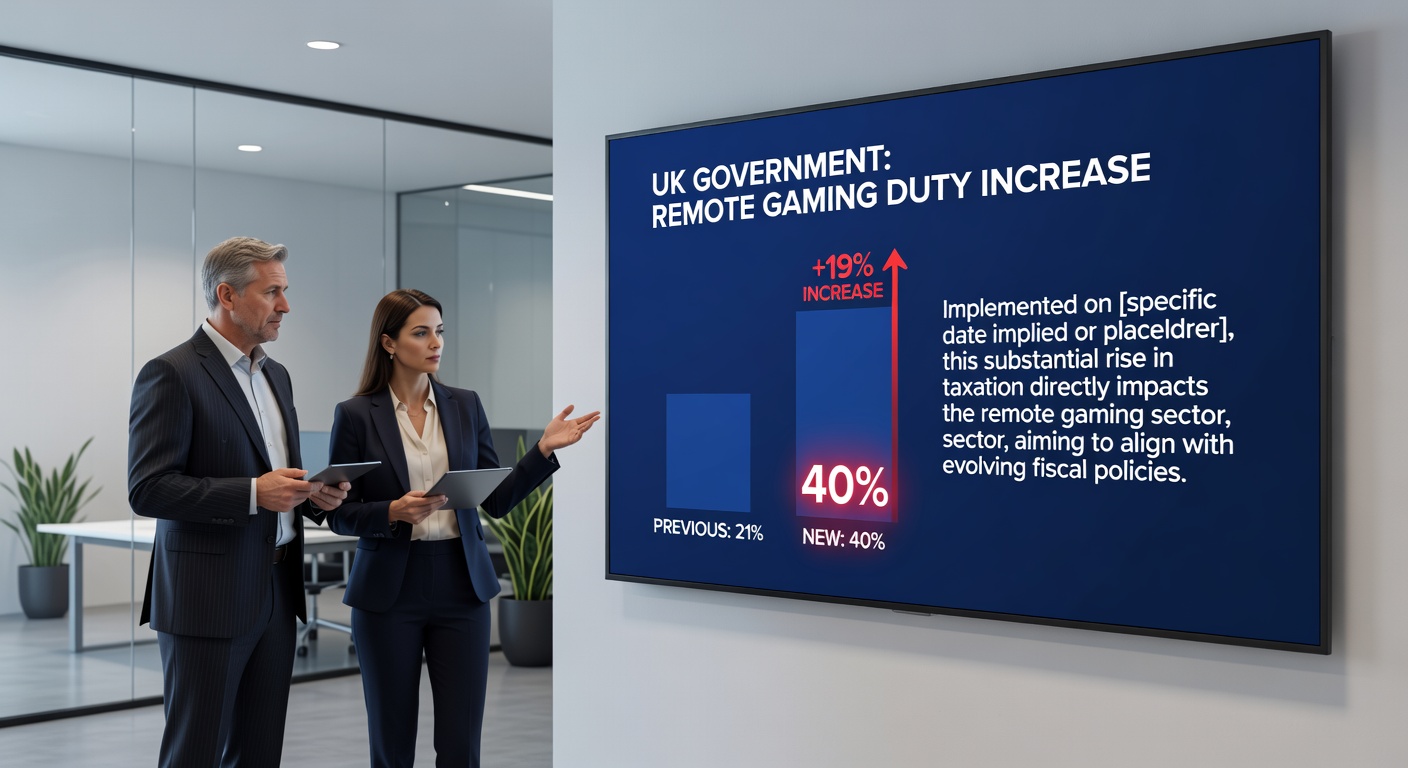
Under the current system, Machine Games Duty applies to gaming machines located in adult gaming centres, casinos, and certain other venues, and the SMF argues that aligning the rate with remote gaming duty, which already stands at 40 percent, would create greater consistency across different sectors of the gambling market. The adjustment would apply specifically to high-street operations rather than online platforms, a distinction that reflects ongoing discussions about physical gambling venues and their distribution in towns and cities.
Public polling commissioned as part of the same report showed 43 percent of respondents in favour of the increase, while the remaining responses were split between opposition and undecided views. Those figures emerged from surveys conducted in the weeks leading up to the June 29, 2026 publication date, and they have since been referenced in coverage by outlets including The Guardian.
Connection to Political Figures and Local Concerns
Speculation around Greater Manchester Mayor Andy Burnham has surfaced in relation to the proposal, largely because of his previous statements on gambling regulation and the concentration of venues in certain areas. Observers note that discussions about venue density often intersect with questions of economic deprivation, and the SMF report highlights data showing higher numbers of adult gaming centres in lower-income neighbourhoods compared with more affluent districts.
Researchers who examined venue location patterns found that many high-street sites operate in postcodes already experiencing elevated levels of financial stress, and the thinktank suggests that increased taxation could serve as one mechanism to address perceived imbalances. Industry representatives have responded by pointing to existing licensing requirements and local authority oversight as sufficient safeguards, yet the debate continues to reference these geographic patterns.
Revenue Projections and Economic Context
The additional £275 million to £458 million range depends on assumptions about player behaviour and venue profitability after any rate change takes effect, according to the modelling released alongside the main findings. Figures released in the report indicate that high-street adult gaming centres and casinos together contribute the bulk of current Machine Games Duty receipts, which means the proposed doubling would have a direct impact on those operators' cost structures.
Data from HM Revenue and Customs shows steady collections from the duty in recent years, and the SMF analysis projects that the higher rate could be absorbed without triggering widespread venue closures, although operators have warned that margins on certain machines might tighten considerably. The report stops short of claiming the measure would reduce overall gambling participation, focusing instead on the fiscal yield and the principle of equalising tax treatment between land-based and remote sectors.
Public Opinion and Broader Debate
Polling results released with the proposal reveal that support for raising the duty stands at 43 percent nationally, with stronger backing recorded among respondents who already favour tighter gambling controls in general. Those numbers have been cited in subsequent commentary appearing throughout July 2026, as local councils and licensing committees continue to weigh applications for new or expanded venues.
Advocates for the change point to the revenue potential as a way to fund public services without raising income or sales taxes, while critics argue that operators may pass costs along through reduced prize payouts or fewer machines on each site. The SMF document presents both sets of considerations without endorsing a single outcome, leaving the policy decision in the hands of government ministers and parliament.
Conclusion
The Social Market Foundation proposal remains under discussion as of July 2026, with the 40 percent rate, the projected revenue uplift, and the 43 percent polling figure forming the core elements of the current conversation. Policymakers continue to examine how any adjustment would interact with existing rules on venue location and licensing, particularly in areas where adult gaming centres already operate in noticeable numbers. The report's release has supplied concrete figures and public opinion data that now sit at the centre of ongoing exchanges between government, industry, and local authorities.