The Rise of Mobile Gaming Apps Offering Vast Slot Libraries, Live Dealer Games, and Multi-Tiered Bonuses with Minimal Verification for British Players
Noah Russell · Jun 8, 2026
The Rise of Mobile Gaming Apps Offering Vast Slot Libraries, Live Dealer Games, and Multi-Tiered Bonuses with Minimal Verification for British Players
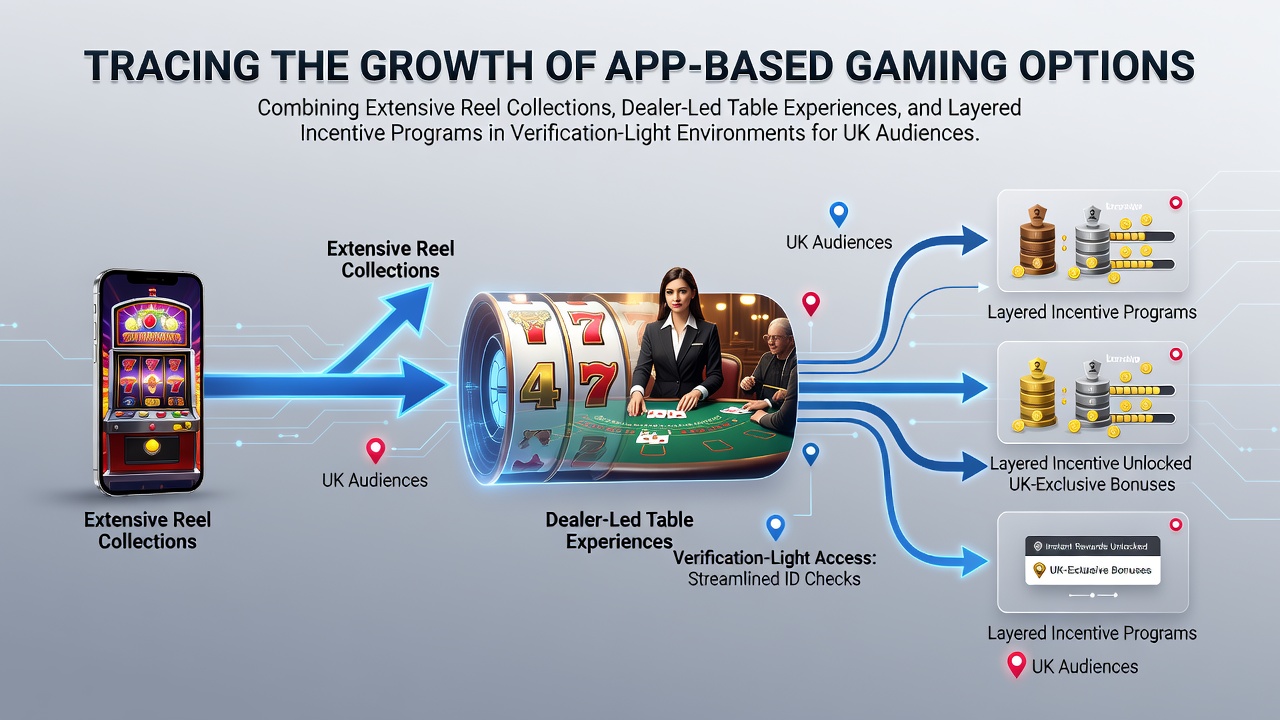
App-based gaming platforms have expanded steadily in the UK since the early 2010s as developers integrated large collections of reel-based games with dealer-led table formats and progressive reward layers while reducing identity verification steps. Data from industry reports shows participation in mobile gaming formats grew from around 25 percent of UK adults in 2015 to over 45 percent by 2024 with many platforms emphasizing seamless access through apps that combine thousands of slot titles and real-time table sessions. Observers note that verification-light models emerged partly in response to user preferences for quicker entry points and this shift aligned with broader trends in digital entertainment delivery across Europe. Early platforms focused primarily on standalone slot experiences but by the mid-2010s operators began incorporating live dealer streams to create hybrid environments where players could switch between automated reels and interactive tables without leaving the app. Research from gaming associations indicates that these combinations boosted session lengths because users encountered varied gameplay mechanics in a single interface and layered incentive programs such as tiered loyalty points plus deposit match bonuses encouraged repeated engagement. Those who've tracked adoption patterns point to the introduction of instant registration flows around 2018 as a turning point since these reduced barriers while still complying with regional standards.Expansion of Reel Collections and Live Table Integration
Reel collections on these platforms often exceed several thousand titles with themes ranging from classic fruit machines to modern video slots featuring progressive jackpots and developers like NetEnt and Playtech supply much of the content that appears across multiple apps. Live dealer sections typically include roulette, blackjack, and baccarat streamed from studios with professional hosts managing real-time interactions and data shows that by 2023 hybrid apps offering both elements saw user retention rates climb by an average of 30 percent compared to slot-only formats. The reality is that integration required sophisticated backend systems capable of handling simultaneous game types without latency issues which pushed many operators toward cloud-based solutions.
Layered incentive programs add another dimension with welcome packages that stack free spins on reels alongside cashback on table losses and ongoing missions that reward consistent play across both categories. Figures from trade group analyses reveal that such programs increased average deposit volumes in verification-light settings where users completed fewer identity checks yet maintained account security through alternative verification methods like email or phone confirmation. What's interesting is how these structures evolved from simple bonus codes in the 2010s to dynamic systems that adapt rewards based on individual play patterns.
Verification-Light Models and Market Dynamics
Verification-light environments gained traction as platforms adopted minimal KYC processes that still met anti-money laundering requirements through automated checks rather than full document uploads and this approach appealed to UK audiences seeking faster access to combined slot and table experiences. According to reports from the Australian Institute of Criminology studies on digital gambling trends indicate similar patterns emerged in other jurisdictions where reduced friction correlated with higher mobile adoption rates. Platforms in these categories often feature payout speeds measured in minutes for smaller amounts which further supports the layered incentive models by allowing quick reinvestment into new games.
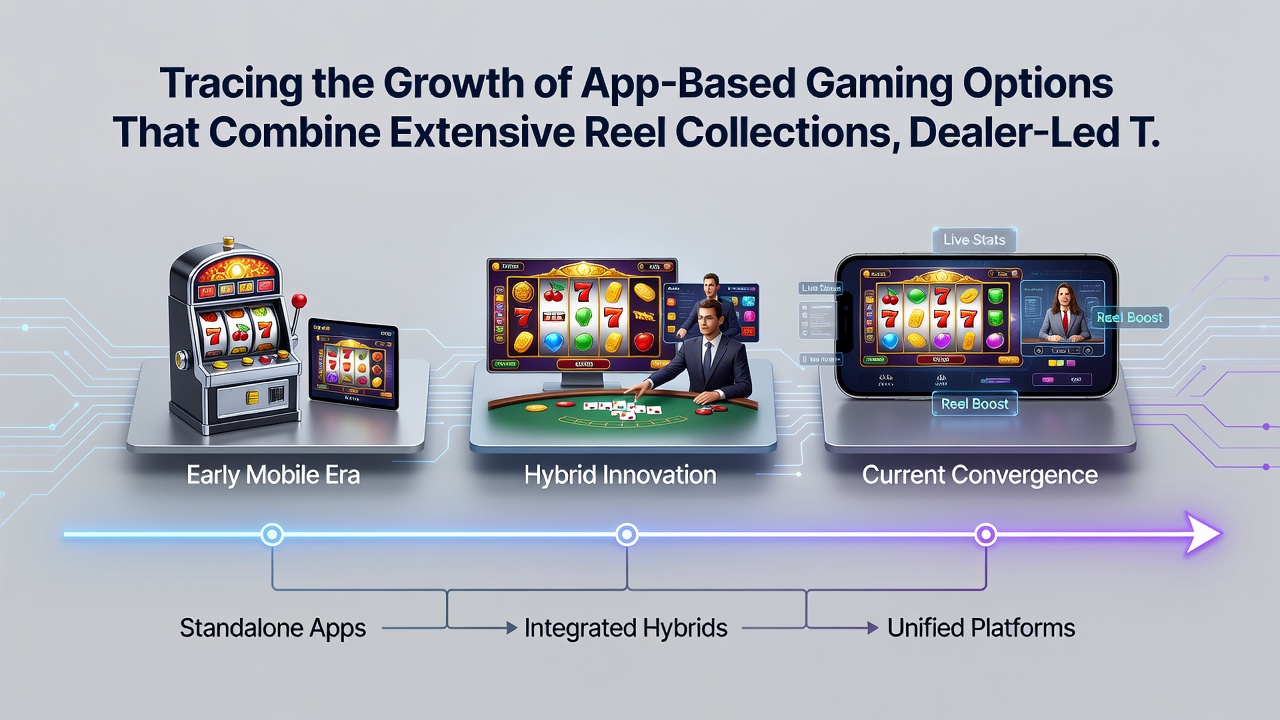
By June 2026 projections from Canadian gaming research centers suggest that app-based options blending these features could represent over 60 percent of remote gaming activity in mature markets like the UK as operators refine algorithms to personalize reel recommendations and table seating based on past behavior. Observers note that competition among providers has driven innovations such as cross-game progress tracking where bonuses earned on slots transfer to live dealer sessions and this connectivity keeps users engaged across extended periods. Data indicates steady growth in app downloads with verification-light platforms accounting for a notable share of new registrations each quarter.
Technological and Regulatory Influences
Technological advances in mobile hardware enabled richer graphics for reel animations and higher-quality video feeds for dealer interactions while 5G networks reduced connection drops during live sessions. Industry organizations like the European Gaming and Betting Association have documented how these improvements supported the scaling of combined offerings without compromising performance. Regulatory frameworks outside the UK such as those from the Malta Gaming Authority have influenced verification practices by allowing risk-based approaches that minimize steps for low-stakes users yet maintain oversight on incentive distributions.
Case examples include operators who launched dedicated apps in 2022 featuring over 5000 reel options paired with 24/7 live tables and multi-level reward ladders that unlock higher cashback rates after specific play volumes. Those who've studied user metrics find that such setups often lead to diversified gameplay as players explore both automated and hosted formats within the same session. The ball's in the operators' court when it comes to balancing these elements with evolving compliance needs and evidence suggests continued adaptation will shape future growth trajectories.
Conclusion
The trajectory of app-based gaming in verification-light settings shows consistent expansion driven by the fusion of extensive reel libraries, dealer-led tables, and structured incentives. Reports from various international sources highlight how these platforms have adapted to user demands for accessibility while incorporating technological enhancements that sustain engagement. As developments unfold through 2026 and beyond data from global research bodies points to ongoing refinement in how these components integrate across mobile environments for British audiences.