UK Slot Operators Leverage Bingo Licences to Circumvent New Machine Games Duty Hike
Freya Müller · Nov 4, 2026

UK Slot Operators Leverage Bingo Licences to Circumvent New Machine Games Duty Hike
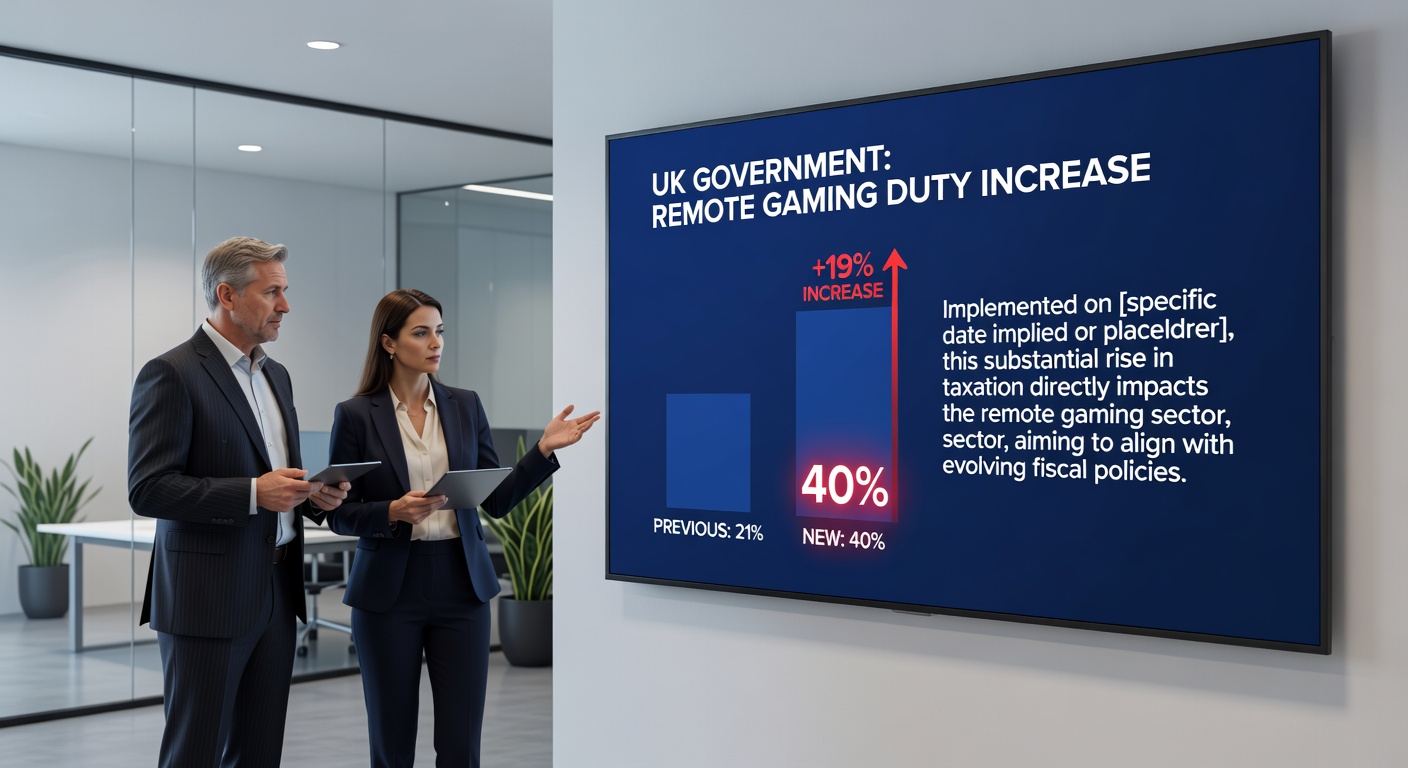
The UK Budget announced by Chancellor John Healey introduced an increase in Machine Games Duty from 20% to 25% on slot machine takings, with the change scheduled to take effect in April 2027, and this adjustment targets adult gaming centres that rely heavily on high-stakes Category B3 machines. Operators including Merkur and Admiral have responded by maintaining bingo licences for venues that function primarily as slot operations, which allows those sites to sidestep the duty rise while preserving eligibility for business rates discounts.Details of the Duty Adjustment
The higher rate applies specifically to takings from slot machines in adult gaming centres, whereas venues holding bingo licences fall under different tax treatment. Records show that hundreds of sites continue to operate under bingo registrations even though their main activity involves Category B3 machines, and this structure keeps them outside the scope of the increased duty. The policy aims to raise revenue from premises that the government has described as slot farms, yet the licensing distinction creates an avenue for continued lower taxation.
How Bingo Registrations Function as a Workaround
Adult gaming centres obtain bingo licences through the Gambling Commission, and once registered this way the venues qualify for the existing duty framework that excludes them from the new 25% rate. Many of these locations display bingo branding and maintain minimal bingo offerings, but the floor space and revenue remain dominated by slot machines. Data from the Gambling Commission indicates that over 200 such arcades list themselves under bingo hall categories, and this registration pattern has persisted across multiple operator groups.
Business rates relief tied to bingo status further supports the financial advantage, since premises classified under bingo operations retain discounts that would otherwise phase out under the slot-focused tax changes. Operators therefore keep the dual licensing structure in place to align with the lower duty band and the rates benefit simultaneously.
Scale of the Practice Among Major Operators
Merkur and Admiral represent two of the larger groups that have retained bingo licences across their networks of high-street sites. Analysis of public records reveals that these companies, along with similar operators, account for a substantial portion of the more than 200 venues registered as bingo halls despite their slot-centric operations. The pattern allows each location to avoid the duty increase without altering the physical layout or machine mix on the premises.
 Guardian examination of Gambling Commission records, combined with direct visits to selected sites, confirmed that bingo branding often serves as a thin overlay on operations that centre on Category B3 slots. Staff at some locations reported limited bingo activity, while the majority of floor space and customer engagement involved the slot machines that trigger the higher duty rate for non-bingo venues. This verification process highlighted the gap between the licence category and the actual business conducted inside the premises.
Regulatory and Revenue Implications
The loophole means the duty increase will not apply uniformly to all slot-heavy sites, and revenue projections attached to the budget measure may fall short if the practice continues unchanged. The Gambling Commission maintains the register of licences, yet current rules do not require operators to demonstrate that bingo activity constitutes a minimum percentage of revenue or floor space. As a result, the classification remains based on the licence type rather than operational emphasis.
Those who monitor the sector note that the business rates discount adds another layer of incentive, because reclassifying the same premises as adult gaming centres would remove that relief in addition to triggering the higher duty. The combined effect preserves margins for operators who choose to keep the bingo registration active through 2027 and beyond.
Timeline and Next Steps
The duty change takes effect in April 2027, which gives operators time to review their licensing arrangements ahead of that date. In November 2026, several groups are still listed under bingo categories according to the public register, and no immediate requirement exists for them to shift to adult gaming centre status. The government has not announced further consultations on tightening the definition of bingo venues at this stage.
Conclusion
The interaction between the Machine Games Duty increase and existing bingo licensing rules has created a documented pathway for slot-focused venues to limit their tax exposure. Records held by the Gambling Commission show more than 200 sites operating under this model, and on-site checks have verified the prevalence of Category B3 machines within those premises. The situation remains in place as the April 2027 implementation date approaches, with operators such as Merkur and Admiral continuing to use the structure that avoids both the duty rise and the loss of business rates discounts.